Bali Long-Term Rental Guides
Straight answers to the questions renters and owners actually ask about long-term rentals in Bali: costs, contracts, permits, neighbourhoods and safety.
Lifestyle

What Is Canggu Really Like to Live In?
Canggu is Bali's most social area and its most crowded. Cafes, surf and coworking within a short ride, at a price that is no longer cheap: a two-bedroom villa asks a median $1,905 a month. It suits people who want company and convenience, and frustrates anyone who came for quiet.

How to Attract Digital Nomad Tenants to Your Bali Villa
To attract digital nomad tenants to your Bali villa, you need to solve for five non-negotiable requirements: fast, reliable WiFi (50 Mbps minimum with a backup connection), a dedicated workspace, consistent air conditioning, a quiet environment suitable for video calls, and proximity to cafes, coworking spaces, and daily amenities. Digital nomads are remote workers earning USD $3,000–$10,000+ per month who

Is Sanur the Best Area in Bali for Families in 2026?
Yes, Sanur is the best area in Bali for families. It has a flat, bike-friendly beachfront, calm reef-protected water safe for children, an international school (Bali Island School), a hospital (BIMC), and an established expat community. Rent for a 3-bedroom family villa starts at $1,600 per month.

Why Are Expats Moving from Canggu to Pererenan in 2026?
Pererenan is 10 to 20 percent cheaper than central Canggu, with less traffic, more rice fields, and quieter streets. It has its own cafe scene, surf breaks, and newer villa builds. The trade-off is fewer coworking spaces and a less walkable layout. For expats who want Canggu proximity without the crowds, Pererenan is the move.

Canggu vs Ubud: Where Should You Live in Bali in 2026?
Canggu suits digital nomads who want surf, cafes, nightlife, and a large social scene. Ubud suits creatives, yoga practitioners, and anyone who prefers rice fields, cooler temperatures, and lower prices. Canggu costs 30 to 40 percent more for rent. Ubud is quieter and more connected to Balinese culture.

How Much Does It Cost to Live in Bali Per Month in 2026?
A single person sharing, eating mostly local and riding a scooter lives well in Bali on $1,500 to $2,200 a month. A couple wanting their own two-bedroom villa with a pool should budget $3,200 to $4,300, because the villa alone asks about $1,900. Families in a three-bedroom run $4,800 to $6,800.

Which Area in Bali Is Best for Long-Term Living in 2026?
The best area depends on your lifestyle. Canggu suits digital nomads and surfers. Sanur works for families and retirees. Ubud attracts creatives and wellness seekers. Pererenan offers Canggu vibes at lower prices. Seminyak is for nightlife and dining. Uluwatu draws surfers who want cliff views and quiet.

What Maintenance Does My Bali Villa Need Month by Month?
A Bali villa requires year-round, season-specific maintenance driven by two climate phases: monsoon (November–March) and dry season (April–October). The critical windows are pre-monsoon waterproofing in October–November, weekly mold monitoring during December–March, post-monsoon repairs in April, and AC servicing plus termite inspection during May–October. Following a structured calendar prevents the emergency repair bills that tropical neglect causes.
Regulations

Can a Foreigner Own Land or Property in Bali?
No. Only Indonesian citizens may hold hak milik, the freehold title, under Article 21 of the 1960 Basic Agrarian Law. Foreigners have two lawful routes instead: hak pakai, a right of use tied to a residence permit, and hak sewa, a lease. Nominee arrangements are void. Most people living in Bali rent.

What Does a Bali Long-Stay Permit Need From Your Lease?
Your permit paperwork needs an address it can accept and a landlord willing to help prove it. That usually means a signed lease with your name exactly as your passport spells it, and a domicile letter, which the local office issues using your landlord's own ID and family card. Agree both before you sign.

Evicting a Tenant in Bali: What Landlords Need to Know
There is no fast-track eviction process in Indonesia. Indonesian law does not provide landlords with the kind of summary eviction procedures found in the US, UK, or Australia. If a tenant refuses to leave voluntarily, the legal path runs through formal written notice, attempted mediation (musyawarah), and -- if mediation fails -- civil court proceedings at the local Pengadilan Negeri

Filing Rental Income Tax Under Indonesia's New Coretax System (2025-2026)
Indonesia's Coretax system, launched in January 2025, is the new digital platform that replaces DJP Online for all tax filing and administration. If you earn rental income from a Bali villa, you are now required to file and pay through Coretax at coretaxdjp.pajak.go.id. Resident taxpayers (those with an Indonesian NPWP) pay PPh Final at 10% of gross rental income. Non-resident

Bali Villa Management Contract: What to Look For and What to Refuse
A Bali villa management contract typically grants a management company the right to market, rent, and operate your villa in exchange for a commission of 15--30% of revenue. Before signing, you must understand the difference between published-rate and net-rate commission models (the gap can cost you an extra 10--20% you never see), verify the contract's lock-in period and termination clauses,

What Is a Sewa Menyewa (Hak Sewa) Lease Agreement? What It Should Include
A sewa menyewa is the standard lease agreement under Indonesian law that governs the rental of property between a landlord (pihak yang menyewakan) and a tenant (penyewa). Codified in Articles 1548 through 1600 of the Indonesian Civil Code (Kitab Undang-Undang Hukum Perdata, or KUHPerdata), a sewa menyewa contract grants the tenant the right to use and occupy a property for

What permits do I need to rent out my Bali villa long-term?
No, you do not need a Pondok Wisata license to rent your Bali villa on a long-term basis. Pondok Wisata is a tourism accommodation permit required for short-term stays (nightly or weekly guests). Long-term residential rental, meaning monthly or yearly contracts to tenants who live in the property as their home, follows a different and simpler regulatory path. The core
Bali Property Rental Tax Complete Guide: Income Tax, Hotel Tax, VAT -- What Applies to You (2026)
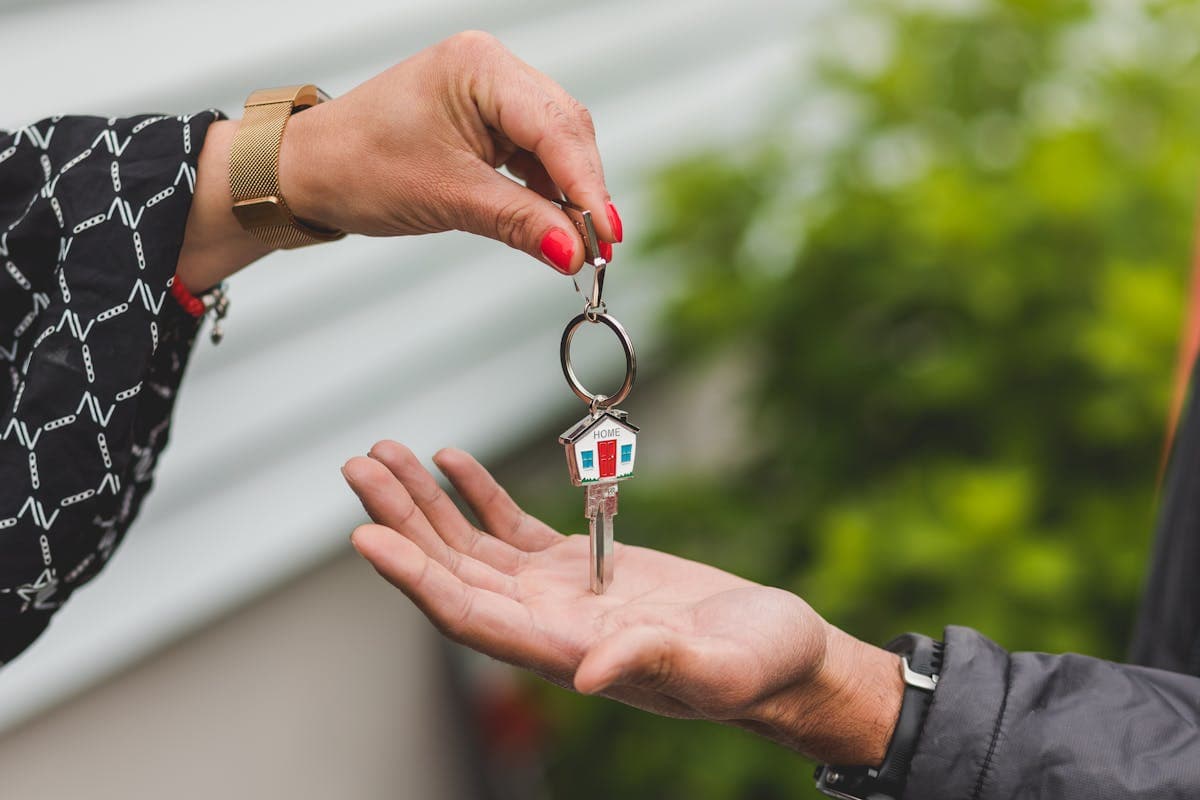
Three tax systems can apply to Bali villa rental income. PPh income tax applies to every owner: 10% for Indonesian tax residents, 20% for non-residents. NPWPD hotel tax (10%) and VAT (12%) apply only to short-term tourist accommodation -- not to long-term residential rental. Your residency status and rental type determine which taxes you actually owe. Always consult a qualified

Does Bali's Airbnb Regulation Affect Long-Term Villa Rental?
No. Bali's OTA and Airbnb-related regulations target short-term tourist accommodation, not long-term residential rental. If you rent your villa on monthly or yearly contracts to tenants who live there as their residence, these rules do not apply. The regulations govern daily and weekly tourist stays booked through online travel agents. Long-term leases are a separate legal category.
Renting

How Much Does a Long Lease on a Bali Villa Cost?
A long lease on a Bali villa is one payment for the whole term, not a monthly rent. Across the 19 leasehold villas listed on Property Plaza on 11 September 2026, terms ran from 8 to 50 years, median 27, and asking prices from IDR 1.125 billion to IDR 10.5 billion, median IDR 4.499 billion, about US$255,000. Per year of term that median works out at roughly IDR 167 million, about US$9,500 or A$13,000.

What's Included in a Long-Term Villa Rental in Bali?
Most long-term villa rentals in Bali include furnished rooms, pool maintenance, and garden care. Monthly rentals often add cleaning, internet, and sometimes utilities. Yearly rentals are more basic. Electricity, water, and gas are almost never included. Always confirm what is covered before signing. Get it in writing.

Managing Your Bali Villa Remotely: A Practical Owner's Guide
Yes, you can manage a Bali villa remotely -- and thousands of owners already do. The key is not a management company or an expensive piece of software. It is a reliable local team of two people (a cleaner and a gardener/poolman), a small set of communication and payment tools, and a clear emergency protocol. Most remote owners over-complicate this.
Is a Property Manager in Bali Worth the 20% Fee? Do the Math
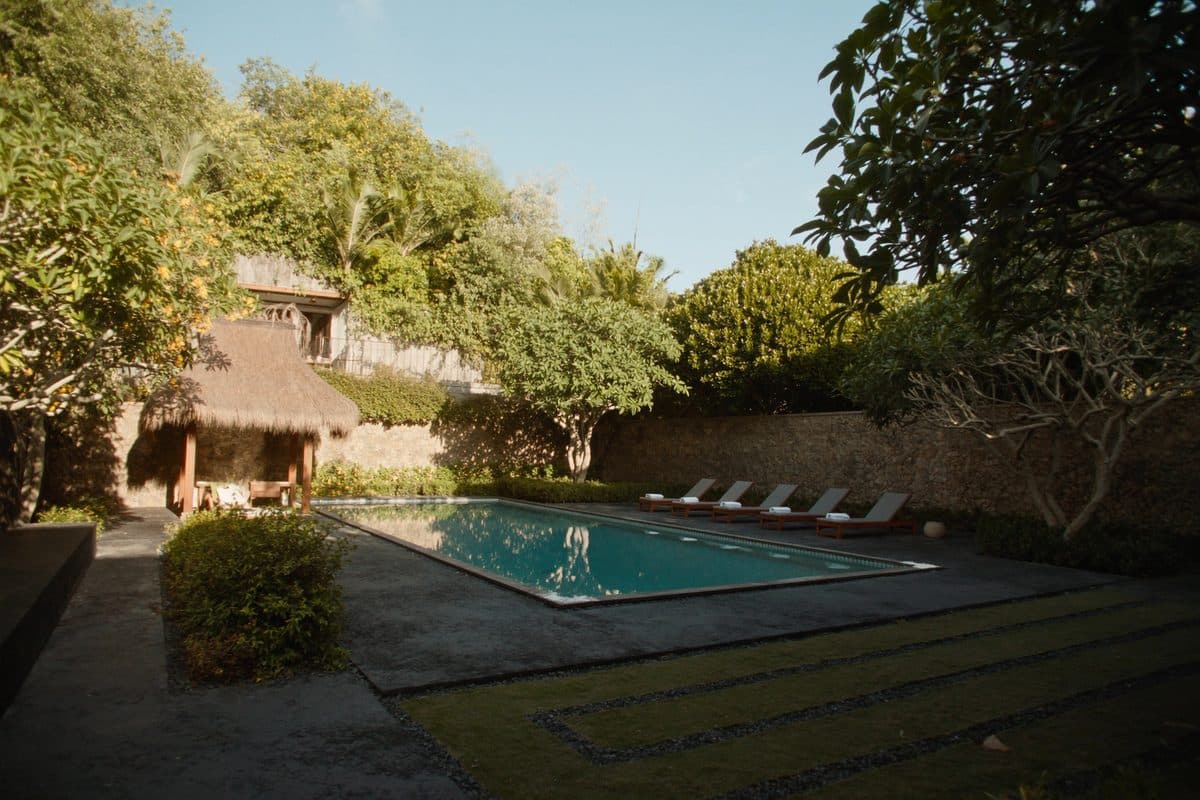
A Bali property manager typically charges 15--25% of gross rental income for tenant sourcing, maintenance coordination, and daily operations. For short-term holiday rentals, that fee often pays for itself. For long-term rentals, most owners find they can handle the work with a small local team and a listing platform -- keeping the entire fee.
How to Attract and Screen Long-Term Tenants for Your Bali Villa
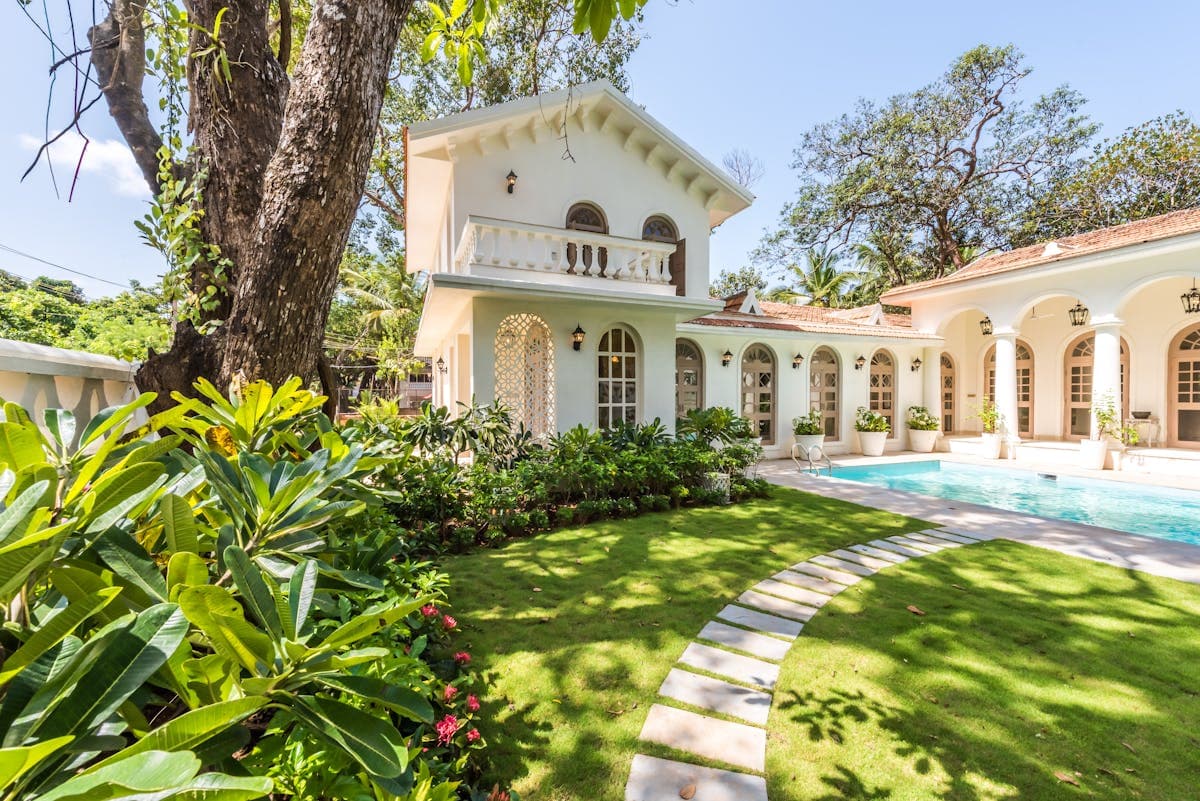
Finding reliable long-term tenants for your Bali villa comes down to three things: knowing your target audience, listing where they actually search, and screening rigorously before signing any agreement. The three primary long-term tenant profiles in Bali are digital nomads (3--6 months), expats with employment or business (12+ months), and retirees (6--12 months). Each has different needs, budgets, and risk
Why Your Bali Villa Isn't Getting Tenants (And How to Fix It)
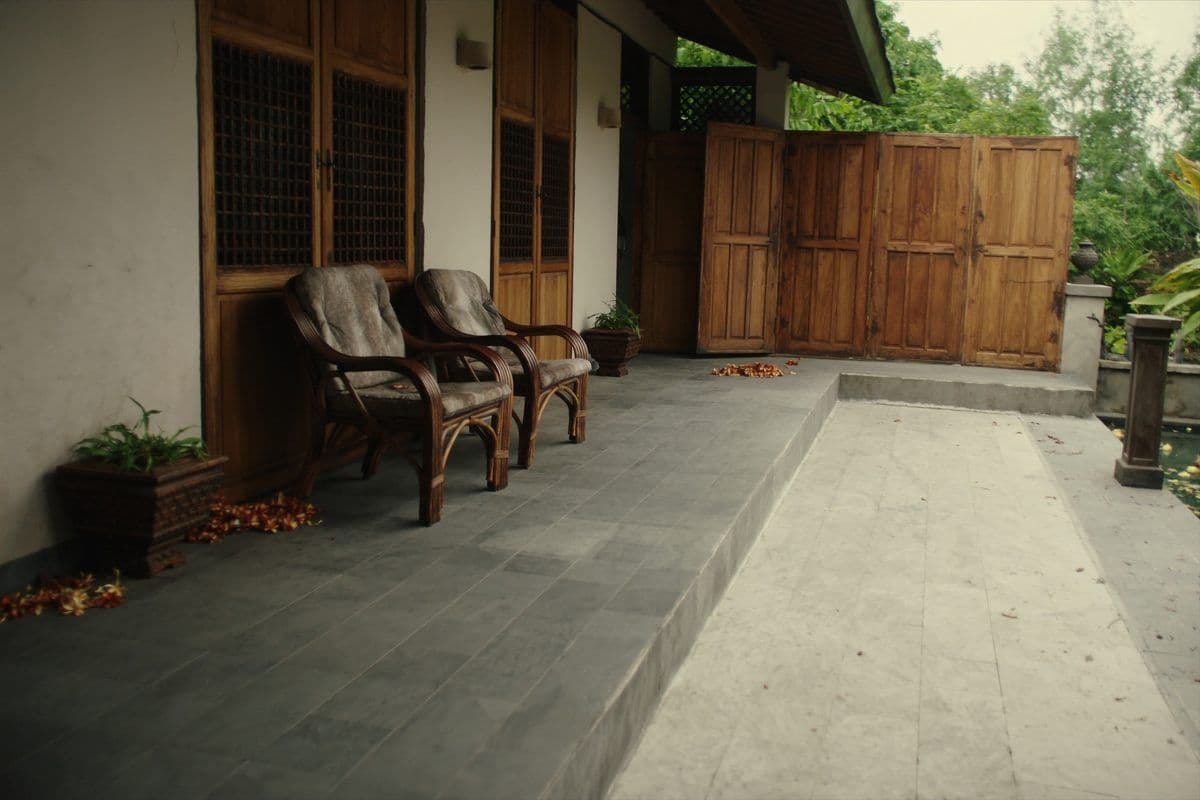
Your villa is not getting tenants because of one or more of these problems: bad photos, overpricing, slow response time, a weak listing description, missing amenities (like fast internet), or listing on the wrong platforms. Fix the photos and price first. These two changes alone can increase inquiries by 50 percent or more.
Is the Bali Villa Market Oversupplied in 2026?
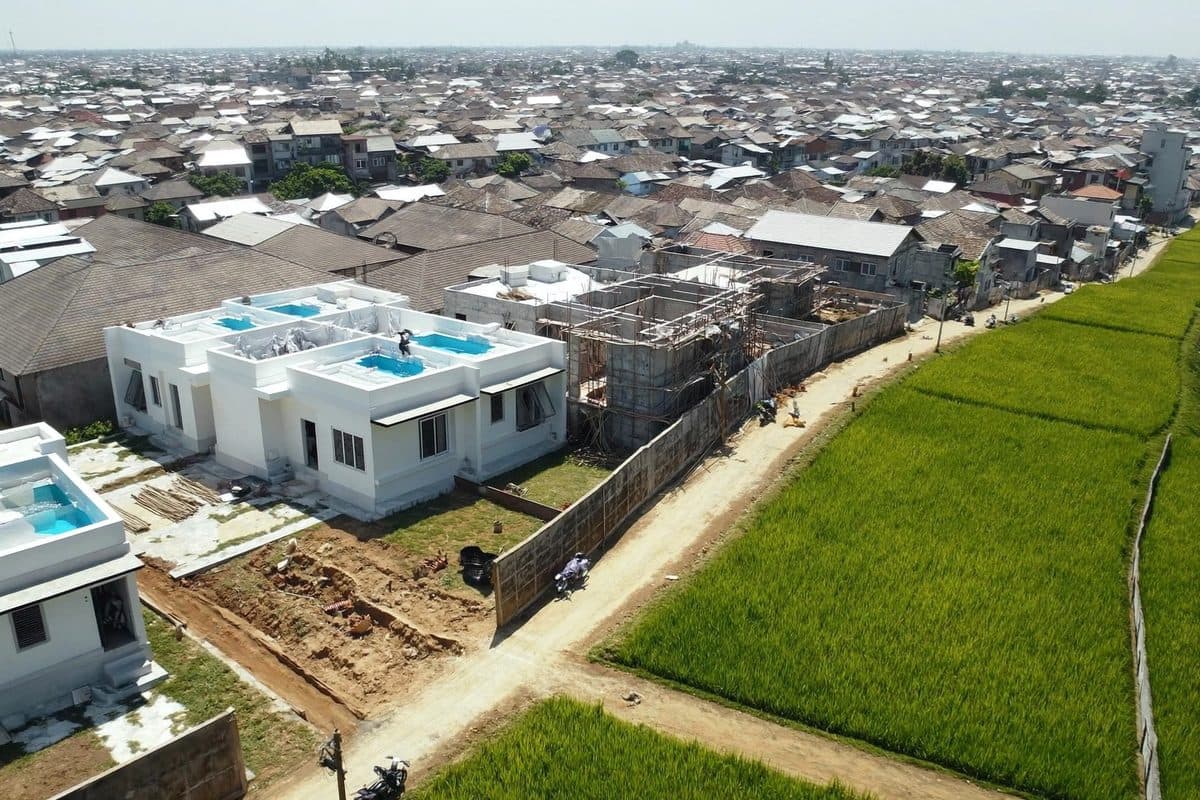
The Bali villa oversupply is concentrated in the short-term tourist rental segment. Years of speculative construction combined with tightening OTA regulation have created overcapacity for nightly stays. Long-term residential demand follows a different trajectory: growth in Digital Nomad Visas, remote-work migration, and expat relocation are driving demand for monthly and annual leases that the short-term glut does not affect.
How to Price Your Bali Villa for Long-Term Rental in 2026
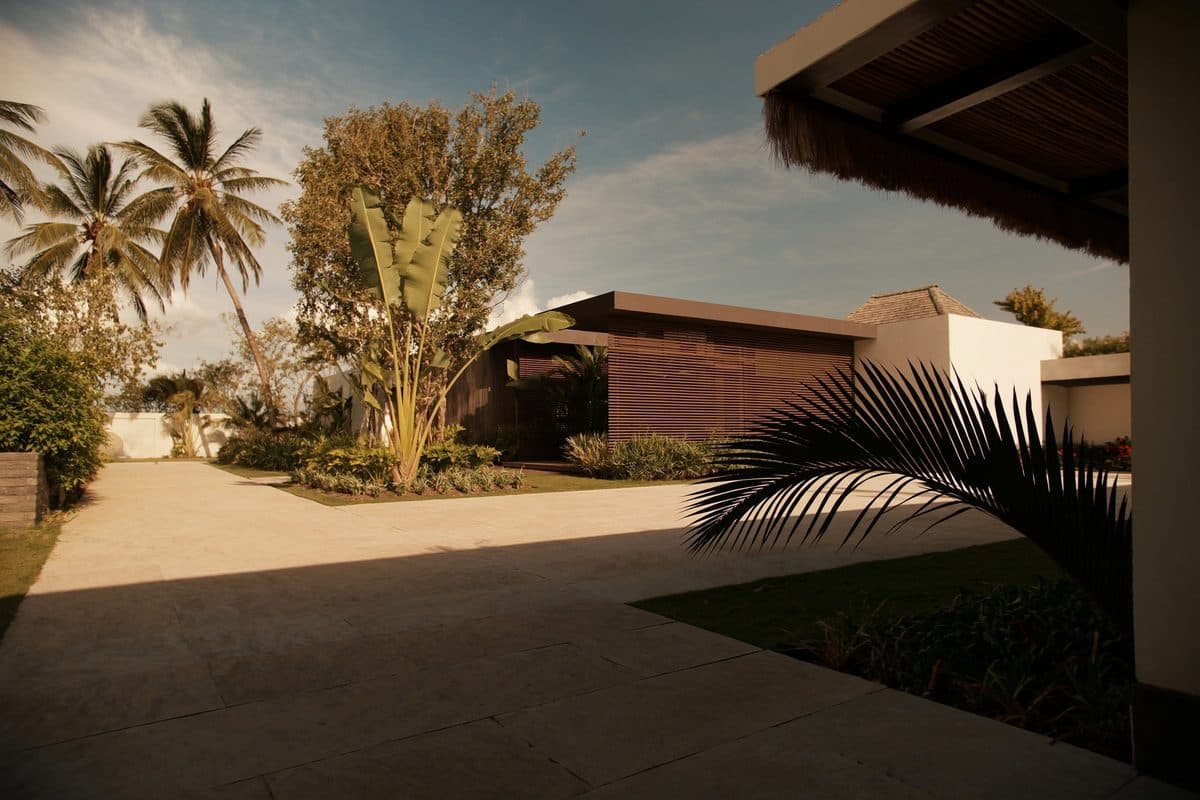
Price your Bali villa by comparing similar listings in your area, adjusting for your amenities, and positioning 5 to 10 percent below competitors if you are new. A 2-bedroom villa with pool in Canggu rents for $1,200 to $2,500 per month in 2026. Offer both monthly and yearly rates, with yearly 15 to 30 percent lower.
What Does It Actually Cost to Maintain a Villa in Bali?
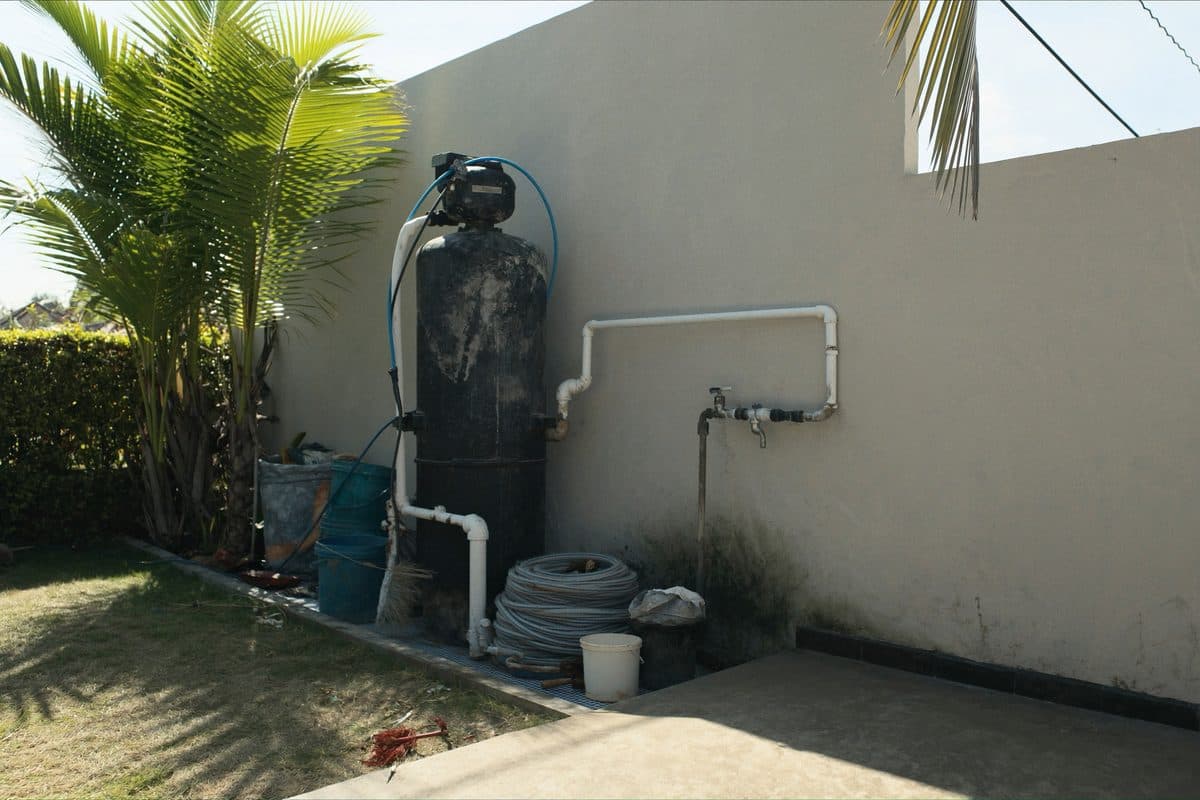
Maintaining a 2-bedroom villa in Bali costs $300 to $800 per month, depending on size, age, and amenities. The biggest costs are staff (pool, garden, cleaning), AC servicing, and tropical wear and tear. Budget an additional $1,500 to $3,000 per year for repairs. Preventive maintenance reduces long-term costs significantly.

Should You Rent a Villa in Bali Monthly or Yearly?
Yearly contracts save you 15 to 30 percent on rent compared to monthly. But monthly gives you flexibility to move or leave. Choose yearly if you know your area and plan to stay 12 months. Choose monthly if you are new to Bali, want to explore, or cannot commit to a lump-sum upfront payment.

What Are the Hidden Costs of Owning a Villa in Bali?
The hidden costs of owning a villa in Bali typically add USD 8,000–17,000 per year on top of your lease payment. These include banjar community fees, staff wages with legally required THR bonuses and BPJS social security, PBB land tax, property insurance, utilities, and pool maintenance. Most first-time villa owners underestimate these costs by 30–50%, directly eroding rental income.

Self-Manage vs Property Manager: What's Best for Your Bali Villa?
Self-managing saves you 20 to 30 percent of rental revenue but requires 5 to 15 hours per month for long-term rentals. A property manager handles everything but takes a significant cut. For long-term rentals, self-managing through Property Plaza is the better choice. For short-term holiday rentals, a manager is worth the cost.

How to Attract International Tenants for Your Bali Villa
International tenants want fast internet, clear pricing in USD, professional photos, and a responsive owner. List on platforms where expats search (Property Plaza, Facebook groups), write your listing in English, and respond to inquiries within 2 hours. Most well-presented villas in popular areas find a tenant within 2 to 4 weeks.

Long-Term vs Short-Term Rental in Bali: Which Makes More Money in 2026?
Short-term rentals generate higher gross income (10 to 15 percent yield) but cost 30 to 40 percent in operating expenses. Long-term rentals earn less per month (6 to 10 percent yield) but keep 85 to 95 percent of revenue. For most villa owners in Bali, long-term rental delivers better net returns with less effort.
How to Rent Out Your Bali Villa Without an Agent and Save on Commission
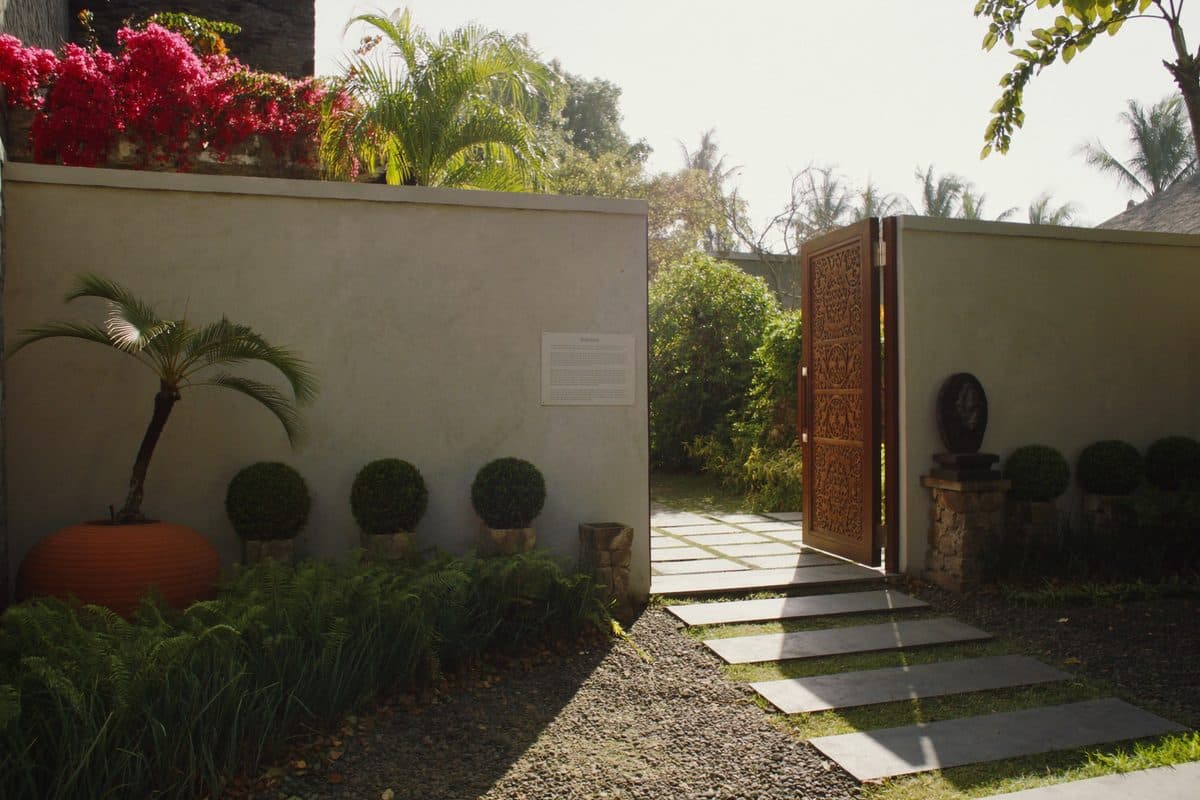
You can rent out your Bali villa without an agent by listing on a direct-to-tenant platform like Property Plaza, posting in expat Facebook groups, or building a personal website. This saves you 10 to 30 percent in agent commissions. You need good photos, competitive pricing, and your own paperwork in order. Most owners find a tenant within 2 to 4 weeks.

How Much Rental Yield Can You Expect from a Bali Villa in 2026?
Gross rental yields for Bali villas range from 5 to 15 percent in 2026. Net yields, after management and maintenance costs, sit between 4 and 10 percent. Canggu and Seminyak deliver the highest returns for short-term rentals. Sanur and Ubud perform better for long-term leases. Your actual yield depends on location, occupancy, and how you manage the property.

How Much Does It Cost to Rent a Villa in Bali in 2026?
Across the 68 long-term villas we have listed, the median asking rent is about IDR 33,000,000 a month ($1,870). The 24 available today ask a median IDR 47,500,000 ($2,690), and at the same bedroom count that gap holds - well-priced villas let fast. Yearly contracts save 15 to 30 percent; utilities are extra.
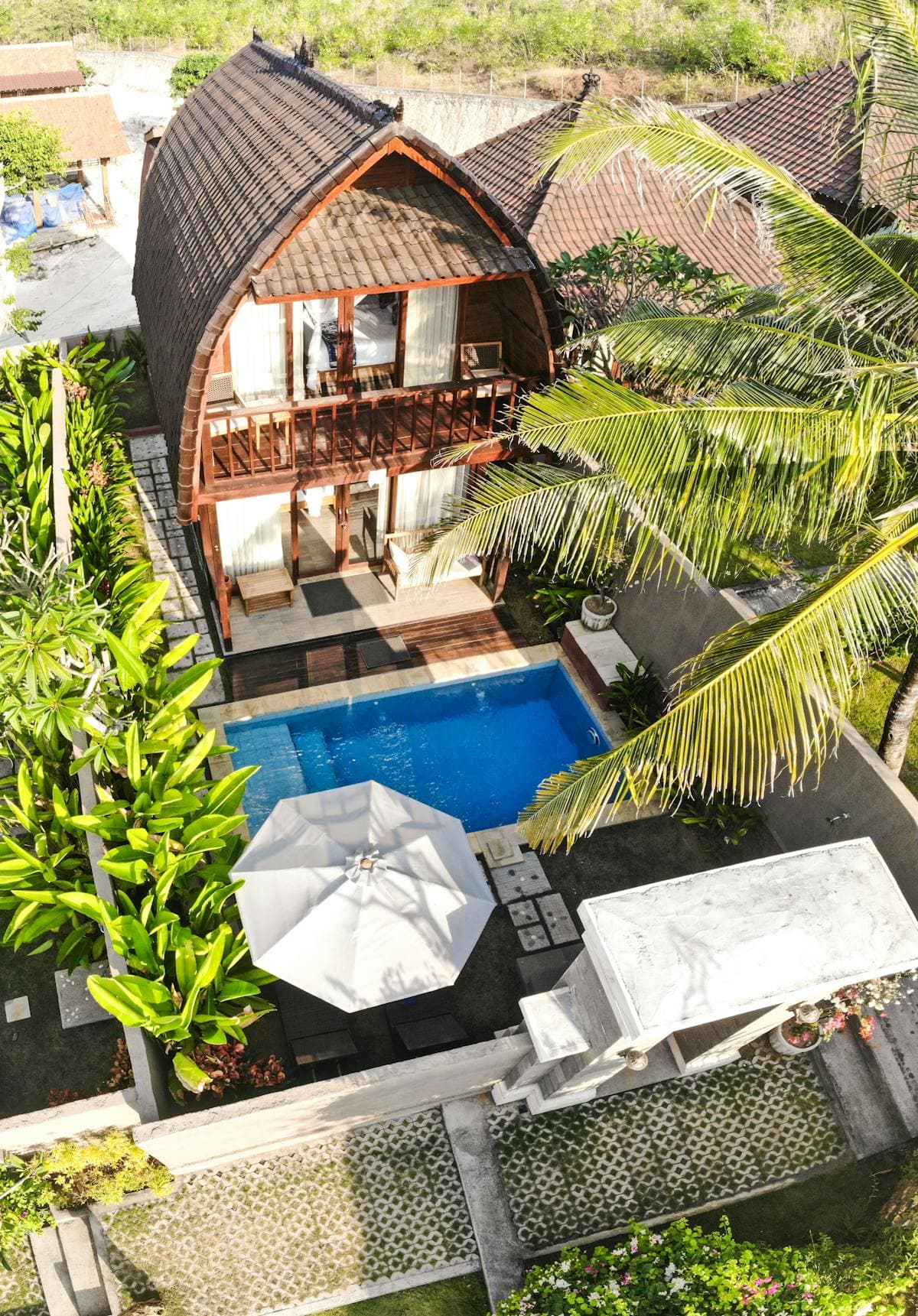
How Do I Rent Out My Bali Villa Without an Agent?
You can rent out your Bali villa directly to long-term tenants by preparing your property, setting a competitive monthly price, creating a listing with professional photos, and publishing it on a direct-listing marketplace. Long-term residential rental requires fewer permits than short-term tourist accommodation, and you keep full control over pricing, tenant selection, and your rental income.
Safety
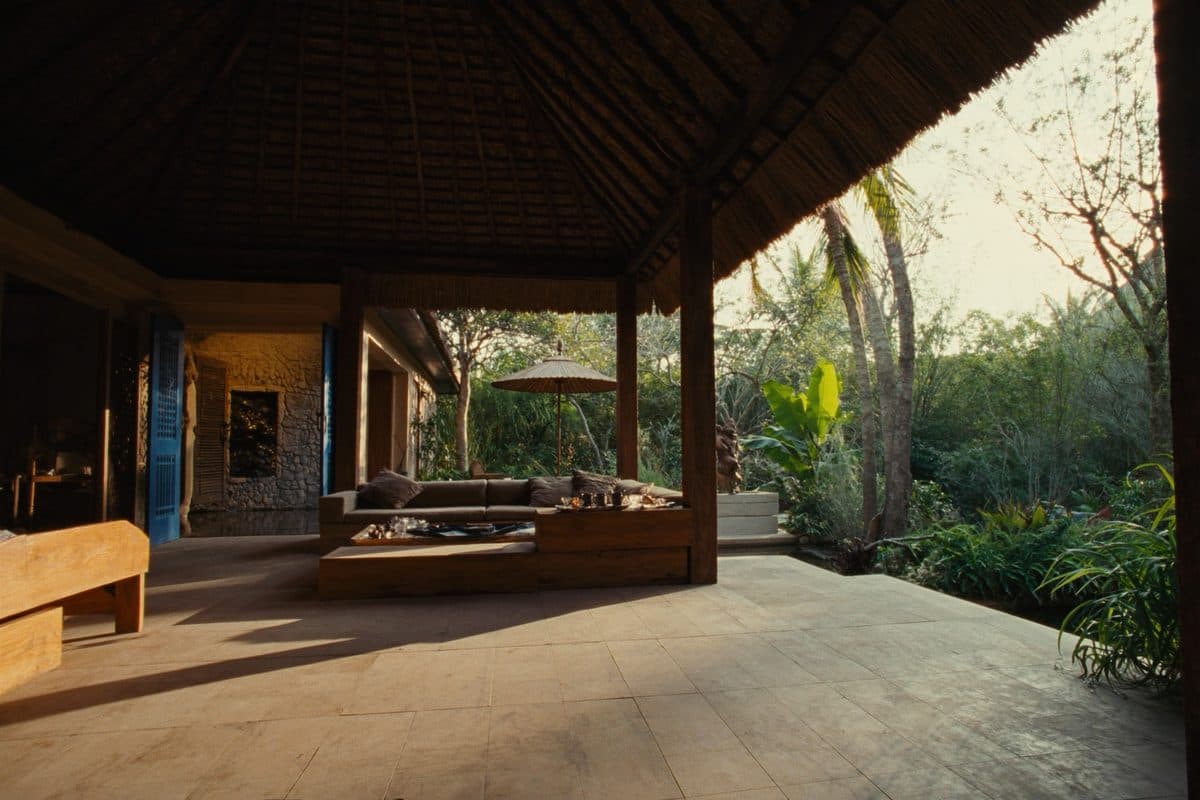
How Do You Vet Villa Staff and Protect Your Privacy in Bali?
Villa staff usually work for the owner, not for you. Before you sign, get in writing who employs them, who holds keys, and which hours they are on site. A confidentiality clause in your own lease is more practical than a separate NDA. No tenant can run an official background check in Indonesia.

What to Check Before Signing a Villa Lease in Bali
Before signing a Bali villa lease, verify the owner's identity, check the building permit (IMB/PBG), test the internet speed, inspect the pool and AC, read every contract clause, and document the villa's condition with photos. Never pay without a written contract. These checks take 1 to 2 hours and can save you thousands.

How Do I Avoid Getting Scammed Renting a Villa in Bali?
Check two things before you pay: the landlord's ID, and proof they own the villa or hold a lease that lets them sublet. Never send the full amount upfront to someone you found on social media, and never to a personal account. If the price is far below market or you are pushed to pay fast, walk away.